Animal Senses
Humans are missing most of what is going on.
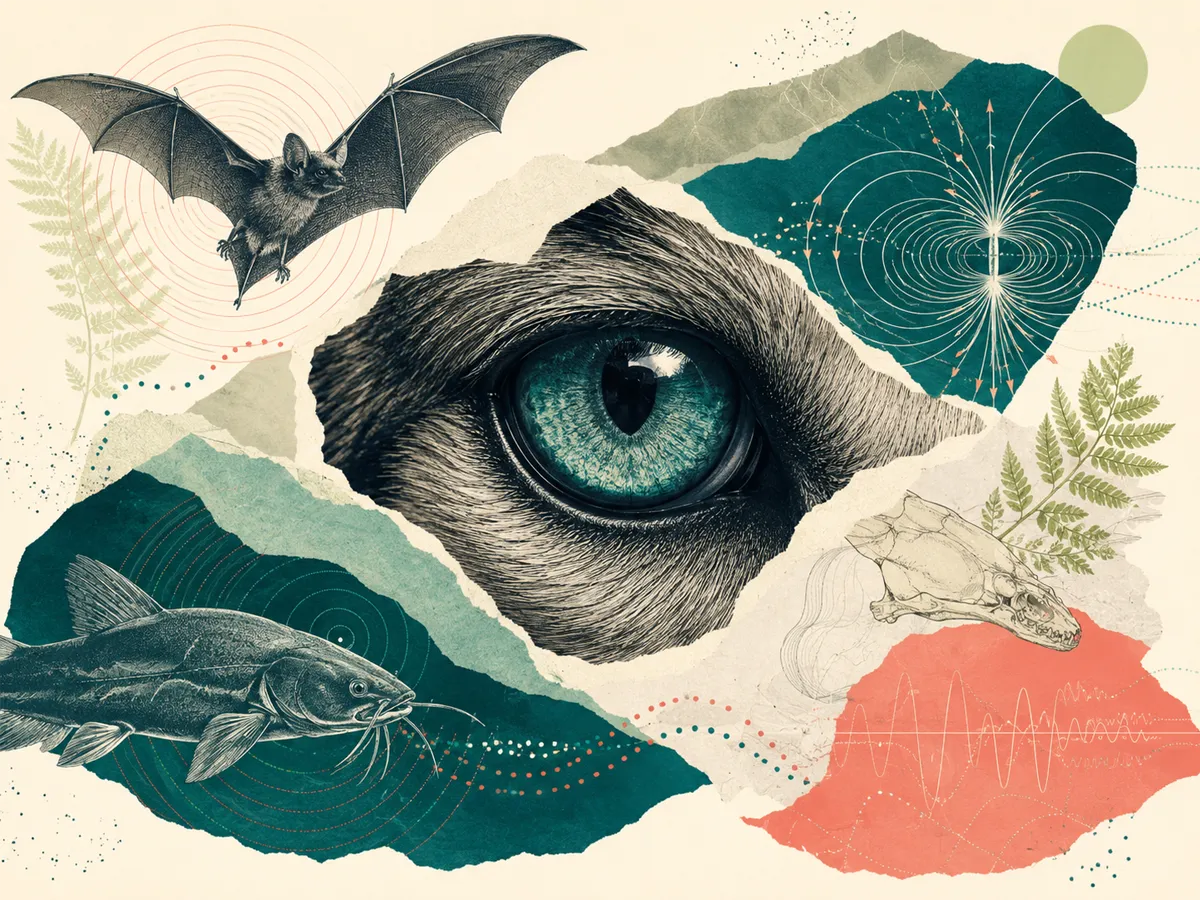
While we rely on sight, sound, smell, taste, and touch, other animals are detecting heat, electricity, magnetic fields, ultraviolet light, and vibrations we barely notice.
That sounds made up. It isn’t.
This is where things get curious. Follow the clues and discover how animals sense a world that is far stranger than ours.
Echolocation
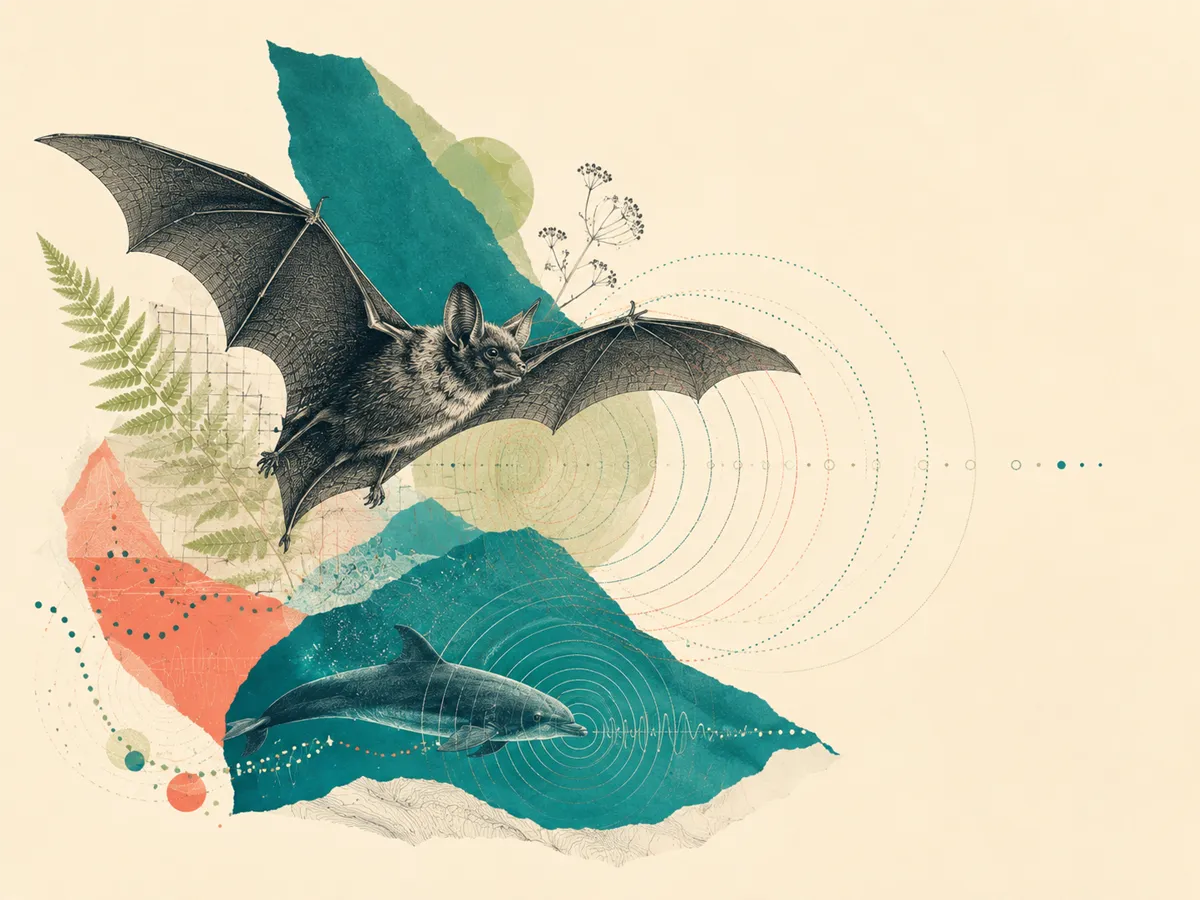
Some animals do not need much light to understand what is around them.
Bats and dolphins send out sounds, then listen for the echoes that return. From those echoes, they can work out where something is, how far away it is, and even whether it is moving.
Clue: What can you “see” when you stop relying on your eyes?
Electroreception
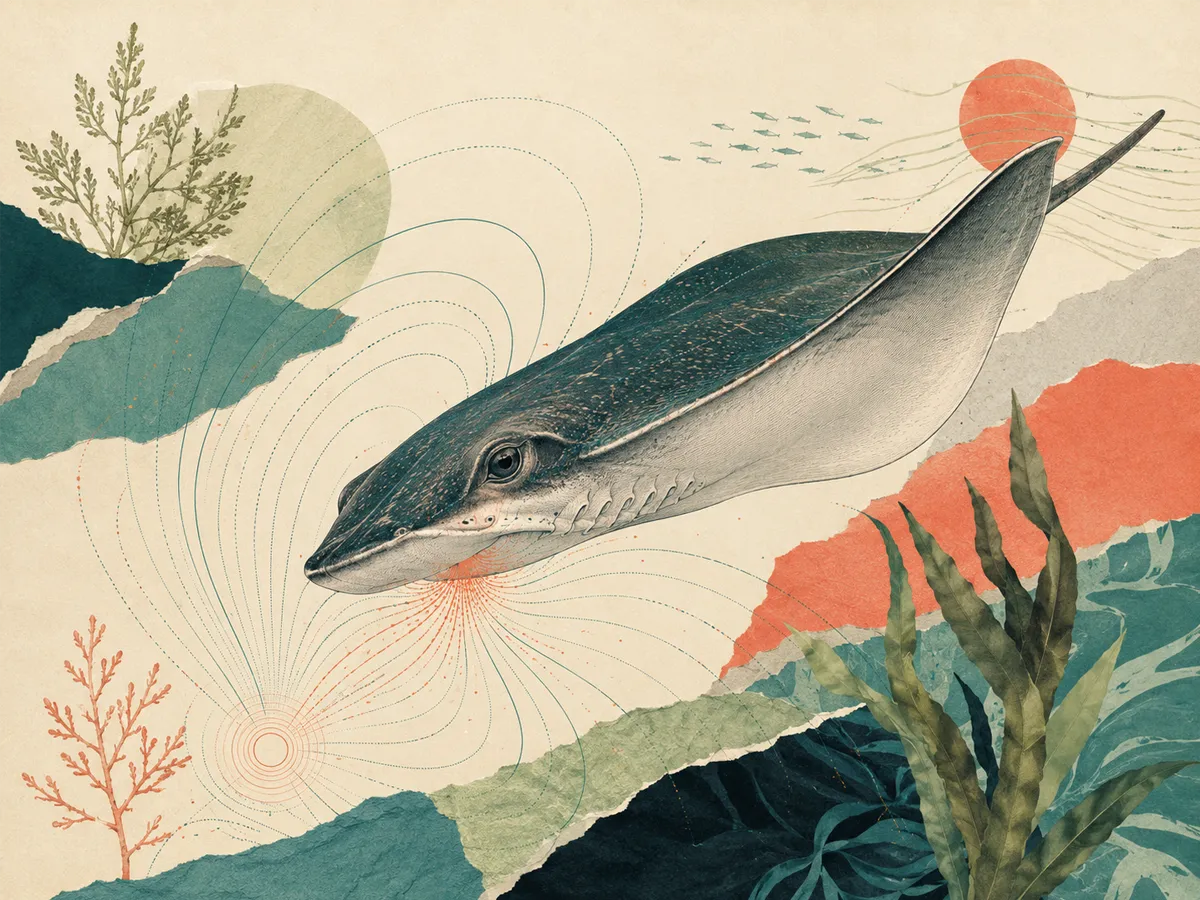
Every living creature produces tiny electrical signals.
Sharks and rays can detect those signals in the water, helping them notice prey that may be hidden beneath sand or moving beyond clear view.
Perfectly sensible—by shark standards.
Clue: Something can be completely hidden and still leave a trace.
Magnetoreception
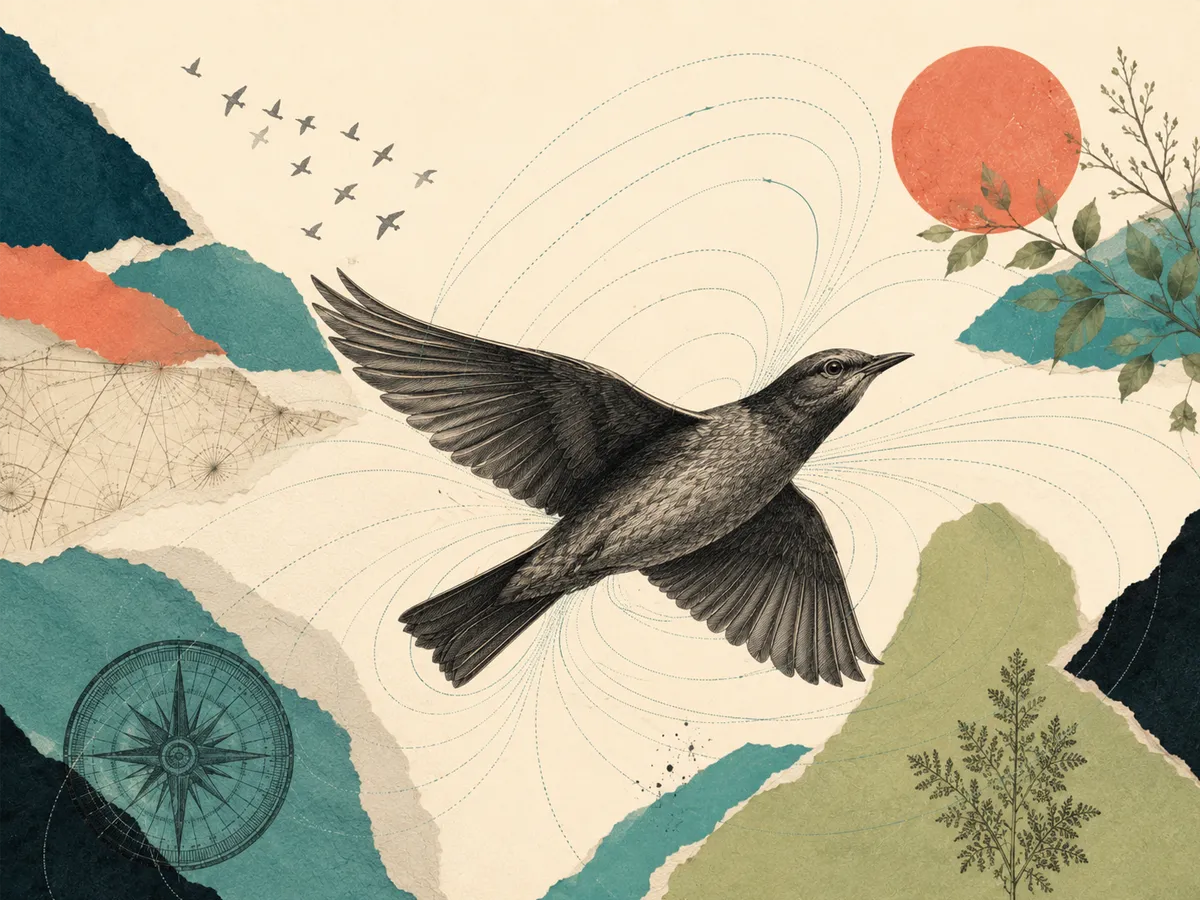
There is no signpost in the sky telling a bird which way to migrate.
Yet some animals appear able to sense Earth’s magnetic field and use it as part of their internal navigation system. Birds, turtles, and other travellers may be following a map humans cannot see.
Clue: What if north was something you could feel?
Infrared Detection
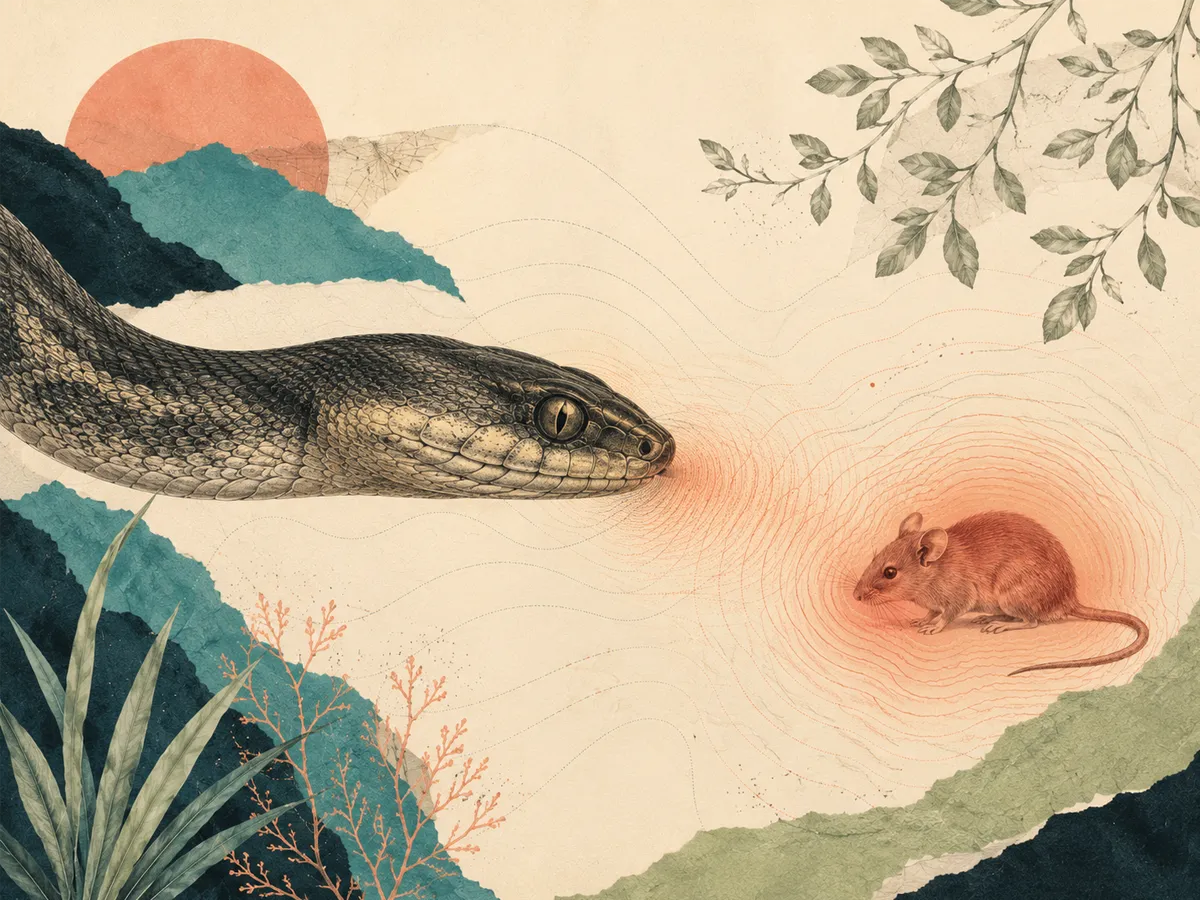
Warm bodies give off heat, even in darkness.
Some snakes can detect infrared radiation, helping them locate warm-blooded animals when ordinary vision would not be enough.
Nature has been making weird choices again.
Clue: Darkness does not hide everything.
Ultraviolet Vision
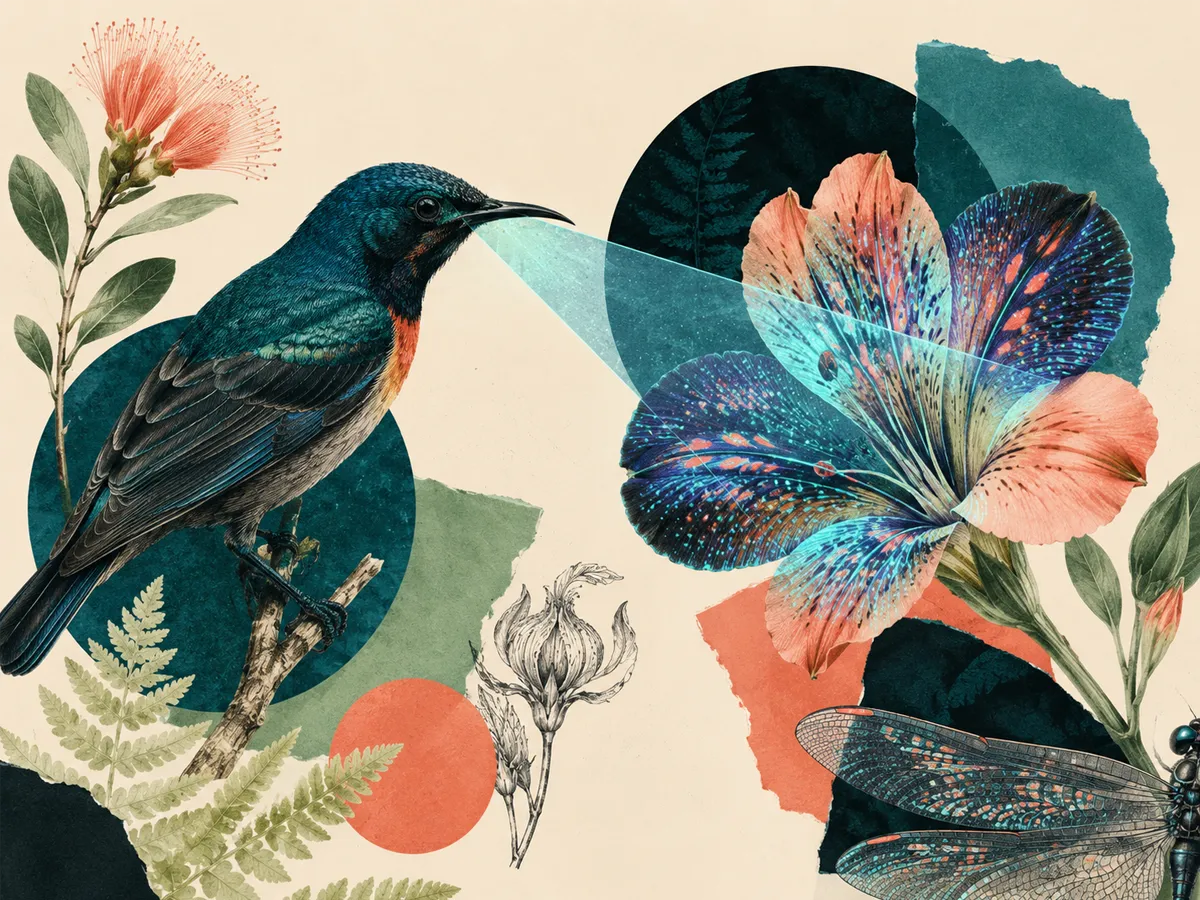
The world may contain colours and patterns that humans never notice.
Some birds and insects can see ultraviolet light, revealing markings on feathers, flowers, and other surfaces that are invisible to us.
Clue: The message might be obvious—just not to human eyes.
The world is stranger than it looks.
More animal senses, puzzles, and investigations are on the way.